

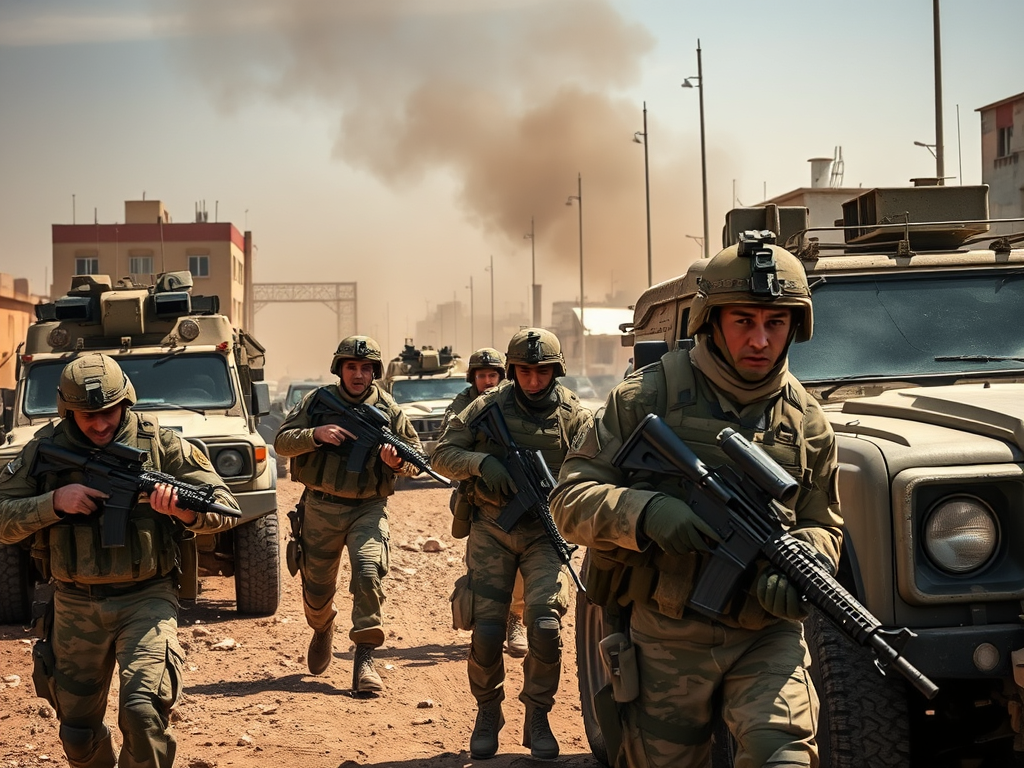
I have sat many times, pondering the question, “Where is the world going with so many conflicts arising in today’s society?” It seems that every day, we are bombarded with news of wars, political unrest, and social upheaval, leaving many of us to wonder about the future. The challenges we face are complex and multifaceted, encompassing issues such as poverty, inequality, and climate change that contribute to these ongoing struggles. As we witness communities being torn apart and lives disrupted, it becomes increasingly clear that finding solutions requires collective action and a deeper understanding of the underlying causes. The road ahead may seem daunting, but it is essential to engage in conversations and seek paths toward peace and cooperation for a better tomorrow.
No one seems to want peace, it’s essential to have power more than
Peace is a complex concept, and the conflicts we encounter are often presented to us through a limited lens, highlighting only the aspects that those in power wish us to see. When we take a moment to think about the current conflicts around the globe, we are faced with troubling realities. For instance, the ongoing conflict between Russia and Ukraine appears to be a quagmire that shows no signs of resolution in the foreseeable future. Adding to this tension, North Korea has been implicated in providing military support to Russia by supplying soldiers and artillery, showcasing a concerning alliance that threatens global stability. Meanwhile, China has been seen backing Putin in his endeavors, fulfilling requests that further complicate the geopolitical landscape.
The situation in the Middle East, particularly involving Israel and Iran, has drawn in the United States, which has historically taken an active role in these affairs, aligning itself with certain nations while pushing against others. As we look at these intricate dynamics, it becomes clear that China remains a key player, seemingly content to sit back and observe, while quietly formulating its upcoming strategies that may reveal themselves in the near future. The ripple effects of these conflicts and alliances could reshape international relations in profound and unpredictable ways.
Should we be concerned world wide.
I believe so in so many ways; whether we like it or not, Australia will be involved as it thickens towards another conflict of war. Britain will be involved, France, and many other countries, creating a complex web of alliances and enmities that could drive the world further into chaos. As we observe this unfolding situation, we will notice the pricing of fuel, food, and the overall cost of living rise, exacerbating existing issues like poverty and inflation. The consequences of war stretch beyond mere economics; they deeply affect the fabric of society, leading to an increase in homelessness and escalating violence as citizens become frustrated with their circumstances.
Communities will feel the burden of these global decisions, and we can only read, see, and hope that one day in the near future the world will look at other peaceful solutions to navigate conflicts of interest. Discussions around diplomacy, conflict resolution, and international cooperation should take precedence over military action, fostering a world where differences can be settled through dialogue rather than destruction. It is essential for us to advocate for these positive changes and strive toward a more harmonious global community, understanding that the stakes have never been higher.
This is the time to be the ones to help family, friends and communities.
Our attitudes towards what is happening will be so important, as we need to show the government bodies what we do as a community in times that are hard. It is essential to emphasize not only our collective resilience but also our innovative spirit as we come together in the face of challenges. Various groups across all ages of society either help or find themselves on the lower scale, needing assistance. This dynamic interplay illustrates the strength of our connections and the mutual support we extend to one another. By showcasing our initiatives, compassion, and collaborative efforts, we can demonstrate the profound impact of community solidarity, ultimately fostering a sense of hope and reinforcing the need for a more inclusive approach from our leaders in addressing the concerns of every citizen.
It’s the younger generation I feel for growing up in a world that could take decades to change for better or worse.
Every day, just for a short time, as I look at my grandkids, I can’t help but feel a quiet concern for them, thinking of you poor guys and the heavy burdens you bear. It’s as if life has stacked the odds against you, making your childhood a complicated journey filled with challenges that seem endless. Growing up in our ever-changing streets, which often seem to be shifting not for the better, you face issues like bullying and the overwhelming influence of social media, which can distort reality and cloud your youthful minds. I worry that you might be just one of hundreds who will struggle to afford the Australian dream, yearning for the stability of owning your own home. It pains me to think that freedom—the freedom to be who you truly are, rather than who society has bred you to be—might feel out of reach. This reality hangs heavy in my heart, as I wish for a future where you can thrive, unleash your potential, and embrace your individuality without the weight of these societal pressures.
We need for all government bodies throughout the world to think like we do, as millions seek to see better solutions to problems, more peace, and opportunities for children to become who they aspire to be. Our problems in Australia aren’t at the level where some of the nations are right at this moment; I understand that, but we are catching up in so many ways. However, we certainly have one commonality as most countries do: a reluctant government that struggles to keep the promises it made to be voted in. Without a thought, this is what is currently happening.
We have no say in these decisions; instead, we learn to adjust and live with the changes made, often feeling powerless in the face of bureaucracy. Our governments need to engage in conversations that lead to real change, listening to citizens’ needs and aspirations. Each nation should strive to foster a collaborative global spirit, where ideas are exchanged freely for the benefit of all, ensuring that the future we build is inclusive and prosperous for everyone, particularly the younger generation who will inherit our world.
I personally would love nothing more than to see immense changes to our country and the world, changes that lead to sustainable development and social equity, improving the overall quality of life for everyone. We must work collectively to enhance awareness and take actions that positively impact living conditions, empowering future generations. It is essential to provide the young ones with a dream of their future, not just for themselves but for the entire community, instilling in them a sense of hope, responsibility, and the belief that they can be catalysts for change. With education, innovation, and compassion, we can forge a new path that inspires and uplifts all of humanity, ensuring that our planet thrives for generations to come.
Journey Through Life 67
 Journey Through Life...
Jesus is the Way, the only way we can obtain these things.
“All who call on the name of the Lord shall be saved.”
LikeLiked by 1 person
Our hope is in Christ and him alone. The issues of the world just overwhelm us without leaning into his word and promises.
LikeLiked by 1 person